Calculating concentration and dose Standard PT-141 concentration: 10mg PT-141 + 2ml water = 5mg/ml This is ideal concentration for dosing Alternative: 10mg + 1ml = 10mg/ml (more concentrated, smaller injection volume) Most use 5mg/ml for easier dosing calculations Dose calculation formula: Desired dose (mg) Concentration (mg/ml) = Volume to inject (ml) Example: Want 1.5mg dose, have 5mg/ml concentration 1.5mg 5mg/ml = 0.3ml 0.3ml = 30 units on insulin syringe (1ml = 100 units) Common PT-141 doses: Concentration alternatives: More concentrated (10mg + 1ml = 10mg/ml): Pros: Smaller injection volume, vial lasts longer Cons: Harder to measure small doses accurately Example: 1.5mg dose = 0.15ml (15 units) More dilute (10mg + 4ml = 2.5mg/ml): Pros: Easier precise dosing, gentler injection Cons: Larger injection volume, more water needed Example: 1.5mg dose = 0.6ml (60 units) Recommendation: 5mg/ml standard (10mg + 2ml) works best Easy calculations Reasonable injection volumes Accurate dosing possible Most peptide protocols use this Use our peptide calculator for instant dose calculations

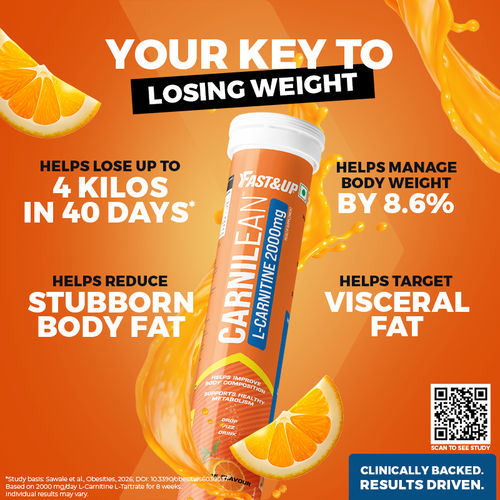
The researchers concluded that our data show for the first time that supplementary L-carnitine significantly increases fatty acid oxidation as determined by the cumulative 13CO2 exhalation method 8 L-Carnitine (4 g daily) supplementation does not appear to promote weight loss in overweight women This study was the first to test l-carnitine supplementation for weight loss in humans
A warm magnesium flush is normal and usually pleasant
Omega-3 and Vitamin D3 work together on heart, bone, and immune health
Aside from the vagus, sympathetic fibers and spinal afferents also participate, transmitting visceral pain signals and regulating gut immune and mucus responses [32, 33]